Responsible NBA Gambling: Safe Bankroll Management
 Available in US
Implementing Deposit Limits for Responsible NBA Betting
Every sportsbook footer says “gamble responsibly.” I want to talk about what that phrase actually looks like in practice, because I have seen both sides of it. I have had months where my discipline was airtight and months where I chased losses on late-night NBA props until my bankroll told me to stop. The difference was not willpower — it was structure. The UK gambling industry’s economic cost from problem gambling runs between GBP 260 million and GBP 1.2 billion annually. That is not an abstract policy number. It represents real people whose betting crossed from recreation into harm.
Only 0.5% of UK gamblers fall into the high-risk problem gambling category. That sounds small until you consider the total number of people who bet — roughly 8-10% of UK adults wager on sports online, which puts the absolute number of high-risk individuals in the tens of thousands. And the high-risk category is only the sharp end. A further 3.1% of UK gamblers acknowledge betting more than they can afford to lose. That is a much wider population, and it includes people who would never describe themselves as problem gamblers but who are, by any honest measure, operating beyond their means.
Responsible gambling is not a moral lecture. It is a set of practical tools and habits that keep betting within the boundaries where it remains enjoyable rather than destructive. The tools exist. The data says most people do not use them until it is too late. My goal here is to describe what is available and how to use it before the need becomes urgent.
Operator Tools: Deposit Limits, Session Timers, Reality Checks
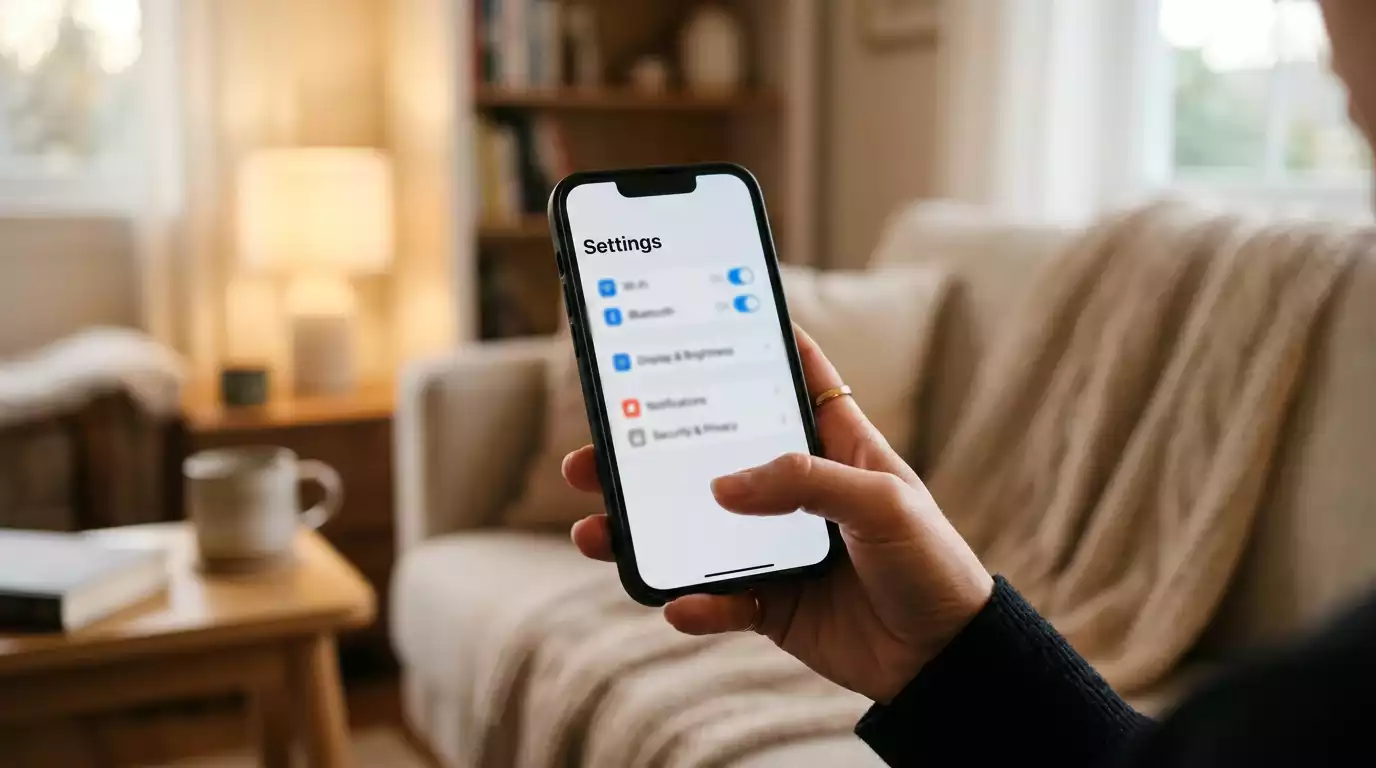
Every UKGC-licensed operator is required to offer deposit limits, and yet the majority of bettors never activate them. I set mine on the first day I open an account, before I have placed a single bet. The process takes less than a minute: navigate to settings, set a daily, weekly or monthly cap on how much you can deposit, and the system enforces it automatically. Increasing the limit requires a cooling-off period — typically 24 to 72 hours — which prevents impulsive decisions in the heat of a losing streak.
Session timers and reality checks are the second layer. These pop up at intervals you define — every 30 minutes, every hour — and display how long you have been active and how much you have wagered. The interruption is jarring by design. When I am deep into a multi-game NBA night, losing track of time is the first sign that I am no longer making deliberate decisions. The reality check forces a pause that resets my attention.
About 3.1% of UK gamblers bet more than they can afford. That statistic is not about addicts — it includes recreational bettors who occasionally slip past their own comfort zone. Deposit limits and session timers are not tools for problem gamblers alone. They are tools for anyone who recognises that late-night NBA betting, with its rapid succession of games and instant settlement, creates an environment where incremental decisions can compound faster than you notice.
Loss limits deserve specific mention. Some operators offer separate loss limits alongside deposit limits, capping the net amount you can lose over a period rather than just the amount you can deposit. For NBA prop bettors who recycle winnings from early games into later bets on the same night, a loss limit is more protective than a deposit limit because it catches the scenario where your deposit is exhausted through a cycle of wins and losses rather than a single deposit.
GAMSTOP and Self-Exclusion: How They Work
GAMSTOP is the UK’s national self-exclusion scheme. If you register, every UKGC-licensed online operator is required to block your access for a minimum of six months, with options for one year or five years. The scheme is free and covers all licensed platforms simultaneously — you do not need to contact each operator individually.
Zoe Osmond of GambleAware and Professor Sian Griffiths welcomed the government’s plans for a statutory levy on the gambling industry alongside lower online stake limits, calling it a significant step towards protecting people from gambling harm. That levy, funded by operators, will expand the treatment and support infrastructure for people who have reached the point where self-exclusion is necessary. The connection is direct: the responsible-gambling tools at the operator level exist to prevent harm, and the statutory levy funds the safety net for when prevention fails.
Self-exclusion is not a failure. I know sharp, disciplined bettors who have used GAMSTOP during periods of personal stress — divorce, job loss, bereavement — because they recognised that their decision-making was temporarily compromised. The strength was in the recognition, not in toughing it out. The scheme’s design ensures that reinstatement requires a deliberate, cooled-off decision, which provides a structural barrier against impulsive return.
Individual operators also offer their own self-exclusion options, which can be shorter (24 hours, 48 hours, one week) and apply only to that specific platform. I have used these short-term exclusions when I notice myself placing bets on games I have not analysed properly — a clear signal that the betting has shifted from informed to impulsive. A 48-hour exclusion costs nothing and resets my approach more effectively than any amount of self-talk.
Young People and Gambling: UK Data and Safeguards
This section is uncomfortable to write, but the data demands it. In the UK, 59% of young people aged 11-17 have had some experience with gambling, and 49% have gambled in the past 12 months. Those numbers, from the Gambling Commission’s Young People and Gambling report, include lottery tickets, scratch cards and social gambling — not just sports betting. But the normalisation of gambling among minors creates a pipeline into adult betting that the industry and regulators have a shared responsibility to address.
Claire Murdoch, NHS National Director for Mental Health, welcomed the commitment to a mandatory gambling levy, saying the NHS, bereaved families and the voluntary sector had been calling for it to treat a growing problem. The framing matters: gambling harm among young people is a public health issue, and the infrastructure to address it — treatment services, educational programmes, age-verification technology — requires sustainable funding that the statutory levy is designed to provide.
Age verification on UK sportsbooks is rigorous by international standards. Operators must verify the customer’s age before allowing any gambling activity — not just before allowing withdrawals, as some offshore platforms do. The verification process uses government-issued ID, electoral roll data and credit reference checks to confirm that every account holder is 18 or older. For NBA betting, which often takes place late at night and on mobile devices, the age-verification barrier is the single most important safeguard against underage access.
76% of 18-24-year-olds in the UK use a mobile phone for betting, the highest rate of any age group. That demographic reality means young adults are the most digitally engaged bettors in the market, and the tools designed to protect them — deposit limits, reality checks, self-exclusion — need to be accessible within the mobile experience rather than buried in desktop-only settings. Most major UK operators have now integrated these tools into their apps, but the discoverability varies. If you are in this age group, find the responsible-gambling settings on your app before you place your first NBA bet. That five minutes of setup is an investment in maintaining the kind of discipline that keeps betting enjoyable across years rather than months.
None of this is about telling you not to bet. I make my living analysing NBA markets, and I believe informed, disciplined wagering is a legitimate activity for adults who can afford the risk. But the evidence shows that a meaningful minority of UK bettors — and a concerning proportion of young people — are gambling beyond safe boundaries. The tools to manage that risk exist and they work. Using them is not a sign of weakness. It is a sign that you are treating betting as the serious, structured activity it should be.
How do I set deposit limits on UK NBA betting sites?
Navigate to the responsible gambling or account settings section of your sportsbook app or website. Select deposit limits and set a daily, weekly or monthly cap. The system enforces the limit automatically. Increasing the limit requires a cooling-off period of 24 to 72 hours. Set limits before you start betting, not after a losing streak.
What percentage of UK gamblers are classified as problem gamblers?
The Gambling Commission reports that 0.5% of UK gamblers fall into the high-risk problem gambling category. A further 3.1% acknowledge wagering more than they can afford to lose. The combined figure represents a significant number of individuals given the overall size of the UK betting population, and underscores the importance of using available responsible-gambling tools proactively.
Published by the nba Player Betting team.